
Drywall
Once the foundation is stable, cracks get taped, mudded and painted. Patching first only hides the problem until it opens again.
New crack over a door or across the brick? Find out whether it is cosmetic or a sign the house is moving, then fix it properly.
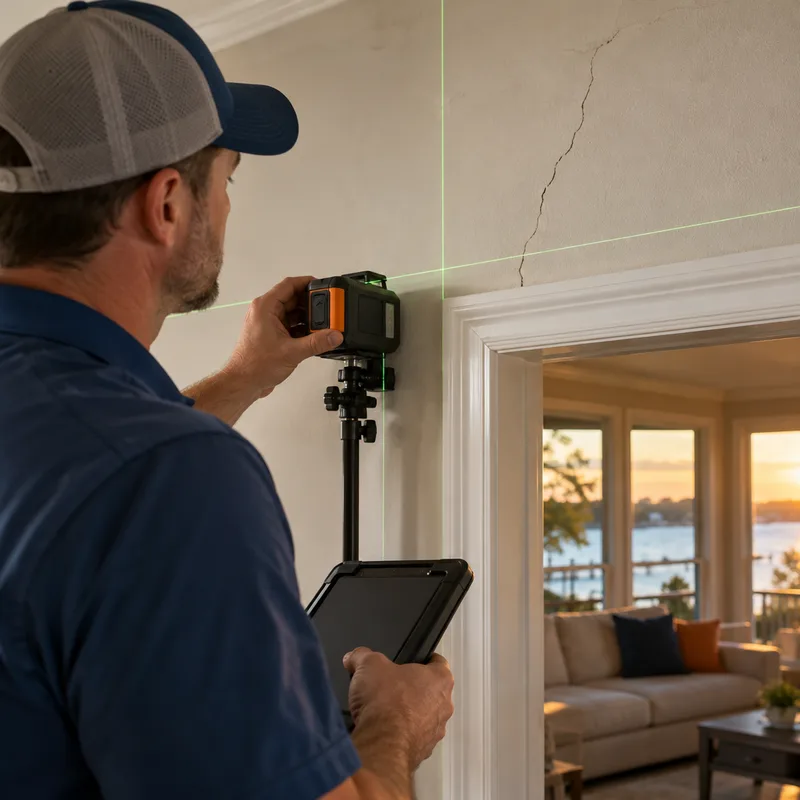
Almost every house has some cracks. Concrete shrinks as it cures and houses settle a little in their first years, so fine hairline cracks are normal. The cracks that matter are the ones that keep growing, come back after patching, or show up alongside sticking doors and sloping floors.
Good foundation crack repair starts by reading the pattern: where the crack is, which way it runs, how wide it is and whether it is changing. That tells a local contractor whether it only needs sealing or whether the movement behind it needs fixing first. For the full range of repairs, see local foundation repair in New Braunfels.
Dry spells make cracks more noticeable. The city spent close to a year under Stage 3 drought restrictions before moving to Stage 2 in May 2023, and clay that dries out pulls away from the slab edge, letting the house drop.
Some crack patterns are worth a closer look:
Mark the ends of a crack with a pencil and the date. If it grows past the marks over a few weeks, that is useful information for whoever comes out to look.
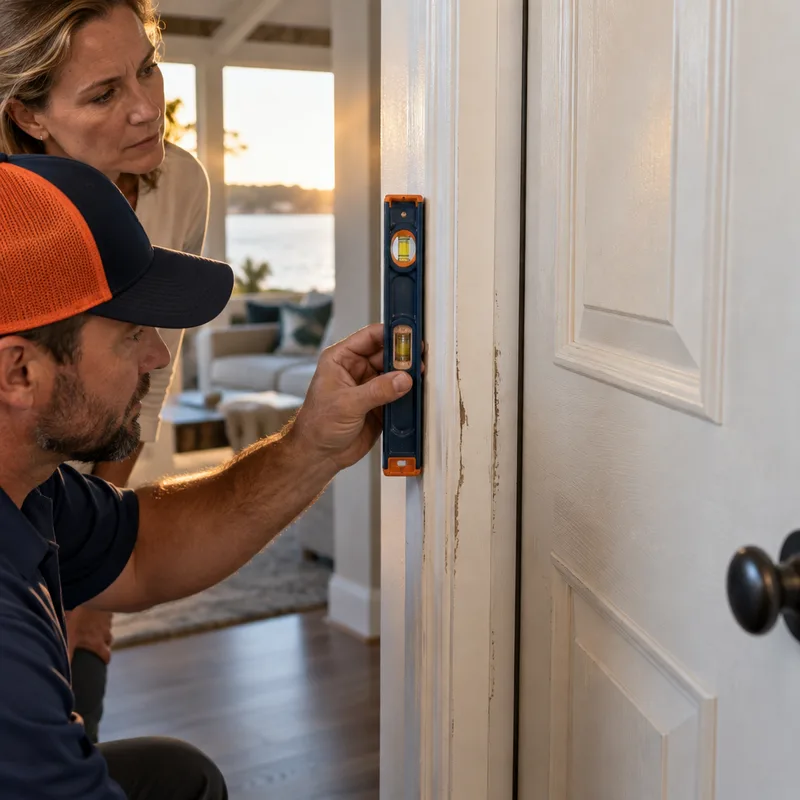
Interior cracks are usually where people first notice movement. The repair depends on whether the house has stopped moving.
Once the foundation is stable, cracks get taped, mudded and painted. Patching first only hides the problem until it opens again.
Plaster cracks more readily than drywall and may need a specialist patch or a skim coat after the house is leveled.
A line of cracked tiles across a room often follows a crack in the slab below. The slab issue comes first, then the tile.
Gaps at crown molding or where walls meet ceilings often close partly when a house is leveled, then get caulked.
Mortar cracks can be repointed once movement stops. Matching old mortar color takes care, so ask about it before work starts.
Sealing a single crack typically costs around $440 on average, often a few hundred dollars. If the crack is caused by movement, the real cost is the foundation repair behind it, which typically runs about $4,500 to $10,500 here.
Epoxy or polyurethane injection is used for cracks in concrete, while drywall and brick are patched or repointed. Ask whether the price covers only sealing or also the cause.
Call soon if a crack is wider than a quarter inch, is growing month to month, lets daylight or water through, or appeared with doors that suddenly will not close.
Fine cracks that stay the same can wait and be watched. Check them after the first heavy rain following a dry spell, since that is when clay soil swells fastest.
If you plan to sell, sealing cracks without fixing the cause can cause problems later. Buyers and inspectors look for patched cracks that have reopened.
Call and describe where the cracks are and how they have changed. A local contractor in New Braunfels, Texas can explain whether sealing is enough or the foundation needs work.