
Plain-English findings
A clear summary of what we observed and what those signs usually indicate, without technical fog.
Serving New Braunfels, Texas & surrounding areas
Mon–Fri 8am–6pm · Sat 9am–2pm
Get a clear, written assessment of what's happening under your home, what caused it, and what the practical next steps are before you spend money on repairs.
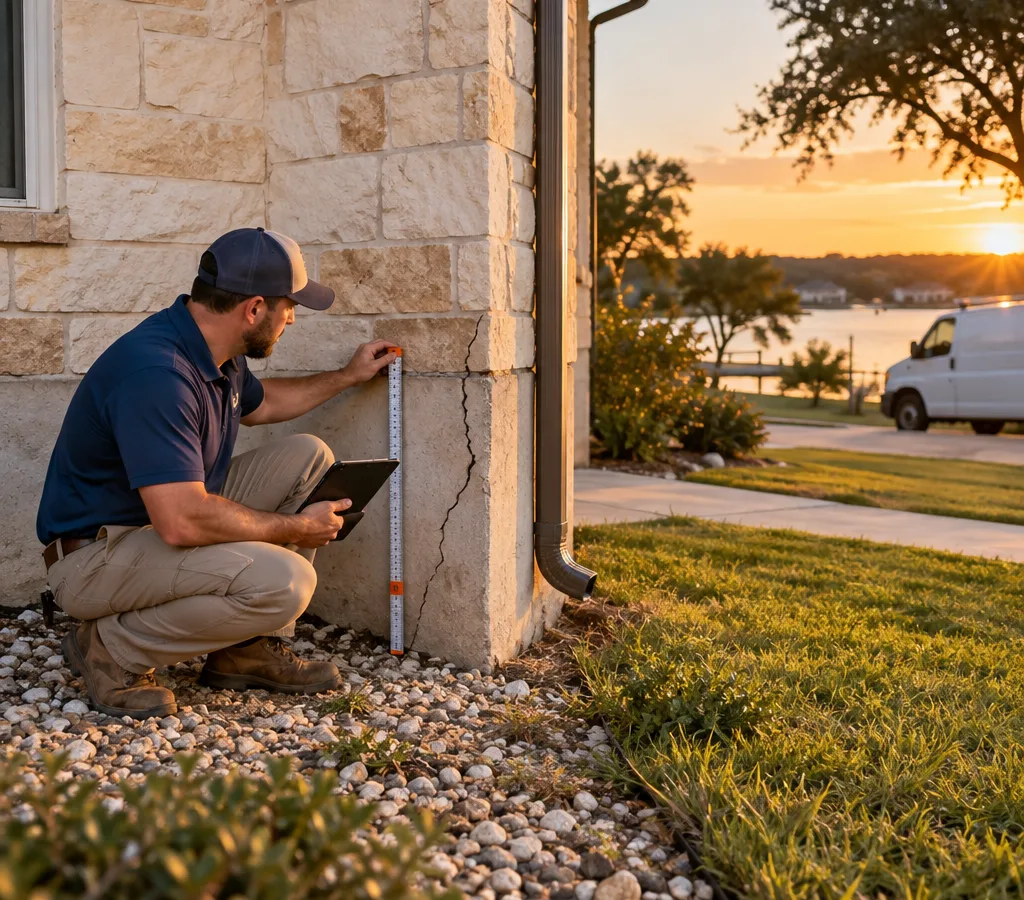
If you're searching for foundation inspection New Braunfels help, you're usually seeing something that doesn't feel normal: drywall cracks that keep growing, doors that stick, gaps at trim, or floors that feel out of level. A good inspection should do more than confirm a problem. It should explain what's likely moving, where it's moving, and what to do next.
At Foundation Repair New Braunfels Texas, our inspections focus on evidence, not guesses. As New Braunfels' foundation specialists, we look at the structure as a whole—foundation, framing clues, drainage and moisture contributors—and document what we find in plain language so you can make a decision with confidence.
You'll get a clear summary of observed conditions, what they typically mean, and repair guidance when repairs are actually warranted. If the foundation is performing normally for its age and construction, we'll tell you that too.
A foundation inspection is a systematic look at symptoms and the structure's performance, inside and out. We typically evaluate:
The goal is to connect the symptoms you see to a likely movement pattern, then outline practical next steps. Sometimes that is repair. Sometimes it is drainage correction or monitoring. Sometimes it is simply documenting baseline conditions for peace of mind.
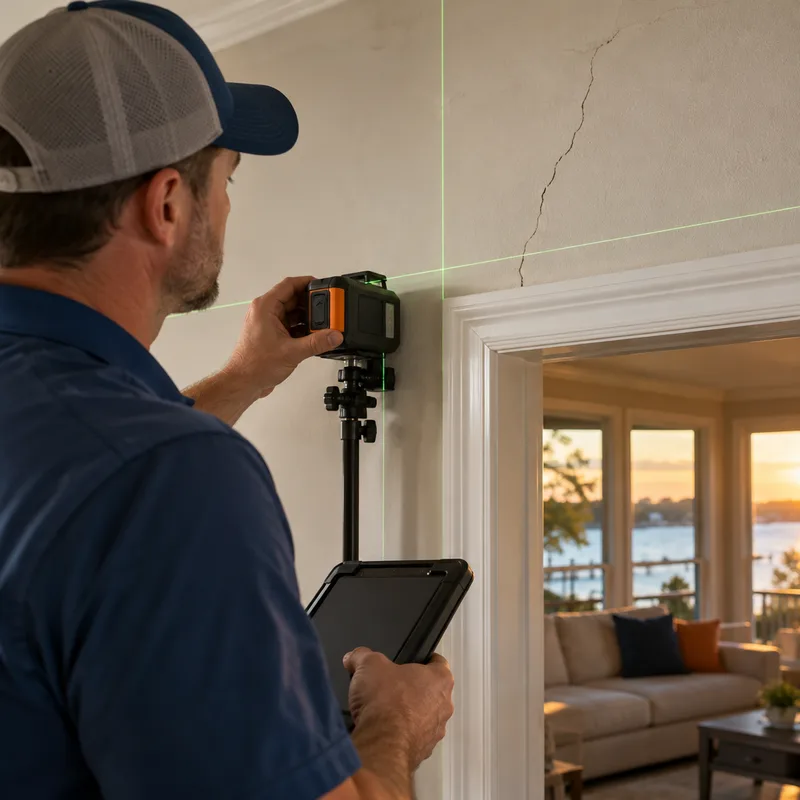
Clear findings help you decide whether to monitor conditions, correct drainage, or move forward with a repair plan.
A clear summary of what we observed and what those signs usually indicate, without technical fog.
Where the structure appears to be high or low and how that relates to the cracking and door issues you're seeing.
If the foundation needs repair, we'll explain what type of work fits the conditions and what outcomes are realistic.
Practical actions that often matter as much as structural work, such as drainage adjustments, downspout routing, and monitoring.
Visual records of key symptoms and exterior conditions so you can track changes or share with other parties as needed.
We start with what you've noticed, when it started, and whether anything changed recently, including rain patterns, plumbing events, grading changes, or flooring work.
We document cracks and alignment issues, check door operation, and take elevation readings when they help confirm a pattern.
We inspect the slab edge or perimeter, look for brick or stucco patterns, and note water-flow paths and soil-to-foundation contact conditions.
You'll hear what we think is happening and why, including what would be normal settling versus what looks like ongoing movement.
We provide a clear wrap-up that lays out the recommended next steps, whether that is monitoring, drainage correction, or repair planning.
A foundation inspection in New Braunfels typically ranges from about $150 to $450, depending on the size of the home, the type of foundation, and whether elevation readings and detailed documentation are needed. A smaller, straightforward evaluation is usually on the lower end, while larger homes or complex symptoms—multiple crack areas, additions, or prior repairs—trend higher.
Pricing is most affected by access, the time required to take and interpret measurements, and how much reporting you want for your situation. The exact cost is confirmed when we schedule your visit and understand the scope of what you want evaluated.

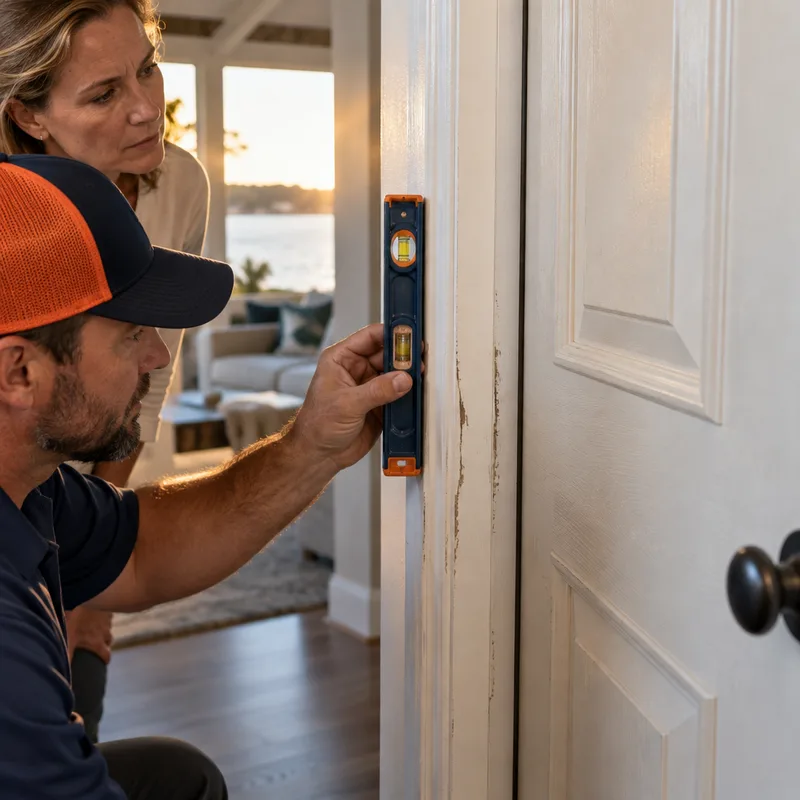
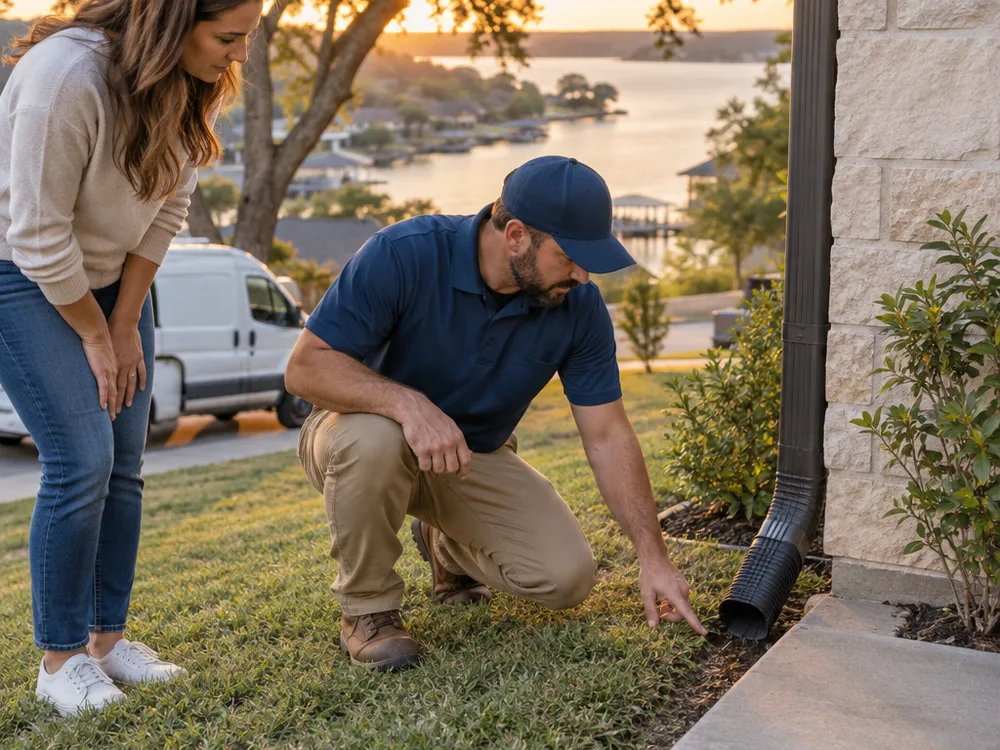
Schedule an inspection when symptoms are changing, repeating seasonally, or showing up in multiple areas. The most useful time to inspect is before you patch drywall, replace flooring, or start major interior updates, because surface repairs can hide patterns that help identify the root cause.
If you only have a single hairline crack that hasn't changed in a long time, monitoring may be reasonable. We can show you what to watch—crack location, direction, and whether doors or windows begin to bind—and when it becomes worth re-checking.
If you already know you need work and you're moving toward repair planning, it helps to understand what a repair plan would involve. Some homeowners pair the inspection with planning for foundation repair after the findings are documented and the priorities are clear.
Tell us what you're noticing in your home and when it started. We'll schedule an inspection in New Braunfels, document the conditions, and walk you through the most practical next steps.